
My Tenant Has Requested a Home EV Charger Installation
As a landlord, if your tenant requests the installation of an electric vehicle (EV) charger, there are several legal, practical, and financial considerations you should be aware of. If you have a reliable tenant intending to stay long-term, some landlords view this as a beneficial reason to maintain the tenancy.

What should landlords consider?
Permission and Consent
You are not legally required to approve the installation, but denying it without a valid reason could impact your relationship with your tenant, especially under continuing expectations for green living. However you will maintain the right to say no to their request.
Check the tenancy agreement in place as most ASTs (Assured Shorthold Tenancies) prohibit structural alterations without landlord permission in any event so your tenant cannot proceed without this.
Building Regulations and Planning
Planning permission is not generally needed for a wall-mounted chargers at a house, but flats or listed buildings may require it.
Listed or leasehold properties may require freeholder or management company consent.
Installation
Use a qualified installer who is registered with a competent persons scheme (e.g. NICEIC, NAPIT) or ideally OZEV-authorised to ensure safety and grant eligibility.
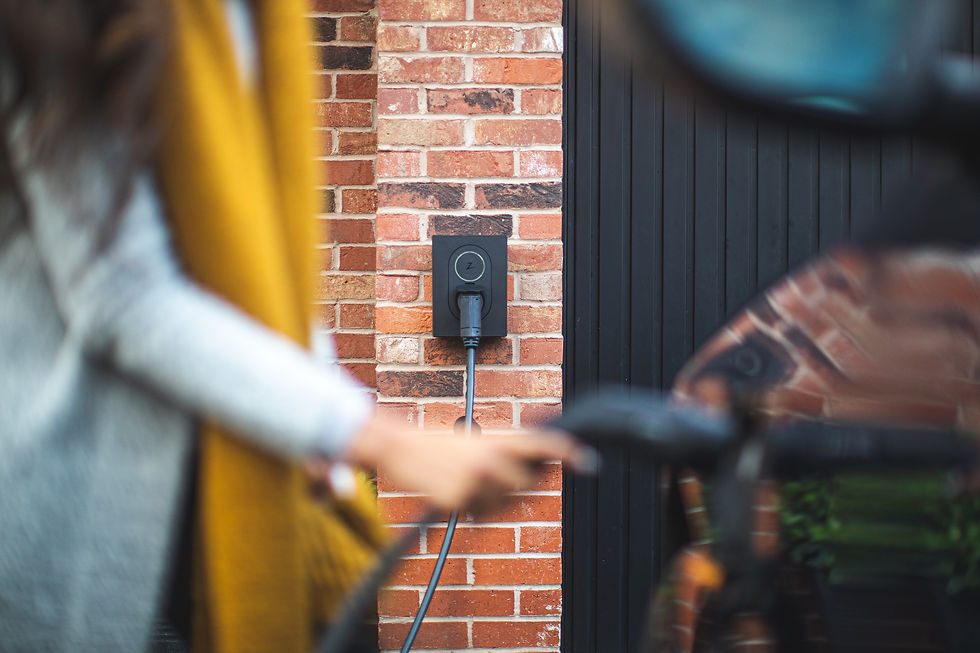
Wall-mounted unit are usually installed on an external wall close to the parking spot.
A dedicated power supply is needed and may require a separate circuit or even an upgraded fuse box.
Property Type
If your tenant is in a flat it can be more complex due to shared spaces, access rights, leasehold issues, and metering.
If your tenant rents a house this will usually be more straightforward, particularly if the tenant has off-street parking.
Metering and Electricity Costs
This will of course impact the electricity costs and if your agreement is such that the tenant pays for usage it will not affect the landlord, however this is an area requiring clear communication between yourself and your tenant in line with the contractual AST.
If it connects to a landlord supply (e.g. for communal areas), you may need to:
sub-meter the usage
agree on reimbursement
or avoid this setup entirely
Deinstallation
This will be very important - agree upfront who is responsible for removal and making good when the tenancy ends and ensure this agreement is documented by both parties in some form.
Insurance
Inform your building insurer as they may want to know about alterations and could adjust premiums or require safety certificates.
Who would pay?
If your tenant requests this and you agree, the tenant would pay for the unit and installation. You can of course consider sharing costs or fully cover it if you consider it would improve your property value or you felt you are able to claim any available grants.
In Summary
Ensure that you have all requests and agreements in writing which would include who pays for what, the specifications of the charge and installation details along with responsibilities for maintenance and removal. Keep accurate communication records by maintaining a paper trail of emails, contracts, certificates etc.


Comments